
Knowledge Base
Hair loss caused by weight-loss medication
You are reading:
Contents
On this page
More and more people using weight-loss medication are noticing that their hair is becoming thinner or that they are losing more hair than usual. This can be worrying, especially alongside the other changes that come with losing weight. In this article, we explain what may be causing this hair loss, what research tells us and what you can do to support healthy hair growth.
See more search results from us on Google
Add us as a preferred source (opens in a new tab)Is hair loss a known side effect?
People taking weight-loss medication regularly report hair loss. Researchers do not believe that the active ingredients themselves directly damage hair follicles. Instead, hair loss is more likely to be associated with the rapid and substantial weight loss and significantly reduced food intake that often accompany these medications.
When you lose a considerable amount of weight in a short period, your body may experience this as a form of stress. As a result, more hair follicles may enter the resting phase of the hair growth cycle at the same time. This condition is known as telogen effluvium, or stress-related hair loss.
Telogen effluvium is not unique to weight-loss medication. It can also occur following restrictive dieting, weight-loss surgery or other forms of rapid weight loss.
Reduced food intake may also lead to deficiencies in nutrients that are important for healthy hair growth, such as iron, zinc and biotin. These deficiencies may contribute to hair loss.
Read more about this in our article Nutrient intake while using weight-loss medication.
Is the hair loss temporary?
For most people, telogen effluvium is temporary and reversible. Hair growth usually recovers naturally once body weight stabilises and nutritional intake returns to an adequate level.
Once the trigger, such as rapid weight loss, has been removed, it generally takes several months for hair shedding to noticeably decrease. It may take even longer before your hair begins to feel fuller again.
What can you do yourself?
- Eat enough protein with every meal, including meat, fish, eggs, legumes or dairy products, even if you are eating smaller portions.
- Pay particular attention to your intake of iron, zinc and B vitamins. These nutrients play important roles in normal bodily functions, including those involved in maintaining healthy hair.
- Avoid losing weight too quickly or excessively whenever possible. Give your body time to adjust to the changes.
- Be gentle with your hair. Avoid tight hairstyles, excessive heat styling and chemical treatments while experiencing hair loss.
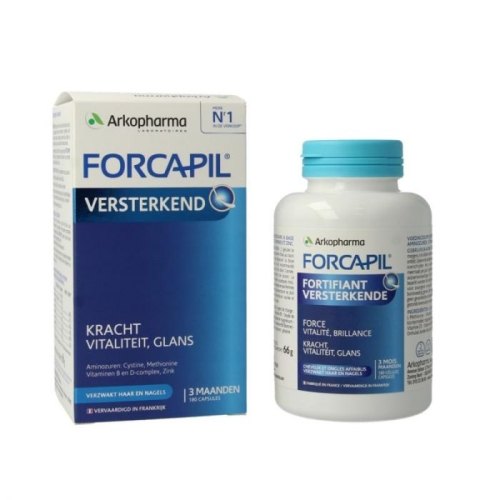
Looking for a food supplement that combines several of these nutrients? Consider products such as AOV 1011 Haarnorm or Arkopharma Forcapil Hair and Nails.
Should you take a multivitamin?
If you consistently eat less, a standard multivitamin and mineral supplement may help support your nutritional intake.
However, avoid choosing a specialised WLS multivitamin unless you have undergone weight-loss surgery.
WLS stands for weight-loss surgery. These multivitamins are specifically formulated for people who have had bariatric surgery, such as a gastric bypass.
They contain higher amounts of certain nutrients to meet the specific nutritional needs that can arise after surgery.
If you are taking weight-loss medication without having undergone surgery, these higher doses are generally unnecessary.
When should you see your doctor or a dermatologist?
Contact your GP or a dermatologist if:
- Your hair loss continues for more than six months
- You develop bald patches rather than general thinning
- You experience other symptoms, such as persistent fatigue, weight gain or dry skin
- You are unsure whether your hair loss is actually related to weight loss
Blood tests may help identify whether you have a deficiency in iron, zinc, biotin or other nutrients, allowing any confirmed deficiencies to be addressed appropriately.
Would you like to learn more about nutrition and possible deficiencies while taking weight-loss medication? Read our related article: Nutrient intake while using weight-loss medication.
Our qualified pharmacy and health advisers will be happy to help you choose a suitable food supplement. Contact us during opening hours via WhatsApp, email or live chat.
Sources
- NVD: Risk of hair loss when using GLP-1 medication
- Alvleesklier.eu: GLP-1 and hair loss
- Intermedica: GLP-1 and hair loss
About this article
Written by: Michiel Roeleveld, Managing Director and Owner of Gezondheid aan huis
Last updated: 20 October 2026
See more search results from us on Google
Add us as a preferred source (opens in a new tab)